A Clearer Path to Diagnosing ADHD in Korea
a-clearer-path-to-diagnosing-adhd-in-koreaIn South Korea’s highly competitive education and work culture, attention disorders like ADHD are still widely misunderstood. Many parents hesitate to seek help, fearing social stigma or labels that could affect academic or career prospects.
"Too often, families see ADHD as a sign of laziness or poor parenting,” says Dr. Paul J. Woo, psychiatrist and director at Seoul Psychiatry Gangnam. “But ADHD is a neurological difference. Our role is to replace guesswork with clear evidence — and give families peace of mind.”
This is where brain function testing is changing the landscape.
The Hidden Burden of Undiagnosed ADHD
the-hidden-burden-of-undiagnosed-adhdGlobally, ADHD affects about 5–7% of children, with lifetime impacts that can extend into adulthood if untreated. In Korea, estimates are similar, yet diagnosis rates remain comparatively low. Many adults only discover their condition after years of stress, underperformance, or failed coping strategies.
Common myths — such as “you’ll grow out of it” or “you just need more willpower” — mean people often struggle alone.
ADHD is not a temporary phase or a lack of effort; it’s a measurable difference in how the brain organizes attention, emotion, and self-regulation.
When diagnosis is delayed, the consequences can ripple into school performance, relationships, and mental health. Depression, anxiety, and low self-esteem frequently accompany untreated ADHD.
"I’ve had patients who spent years blaming themselves for things they couldn’t control,” says Dr. Woo. “When they see the brain data, it’s a relief — they realize it’s not their fault.”
The Limits of Traditional ADHD Testing
the-limits-of-traditional-adhd-testingConventional ADHD assessment starts with detailed interviews and behavior questionnaires. Teachers, parents, or partners may provide input, painting a broader picture of symptoms.
These tools remain vital — but they have limits.
Subjectivity: Observations vary between people.
Bias: Cultural attitudes can downplay or mask symptoms.
Overlap: Anxiety, learning disabilities, or even sleep disorders can mimic ADHD.
Many adults develop elaborate workarounds that hide core challenges. For example, a high-achieving student may excel academically but crumble under deadlines because of poor executive function. Without objective tools, subtle cases slip through the cracks.
How Brain Function Testing Adds Clarity
how-brain-function-testing-adds-clarity
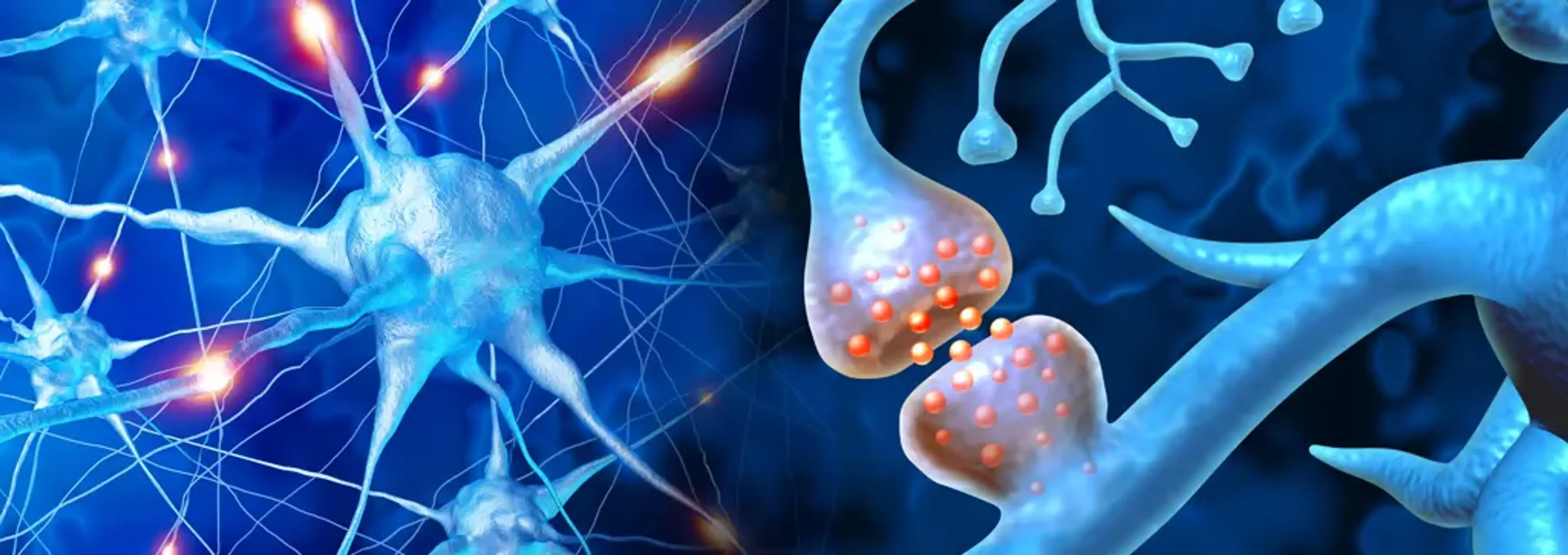
Brain function testing goes deeper. It measures real-time brain activity and cognitive performance to provide an objective lens.
At Seoul Psychiatry Gangnam, this includes:
EEG (Electroencephalography)
Small sensors record brain waves, showing how different regions communicate. ADHD often reveals distinctive patterns, like elevated theta waves or reduced beta waves linked to poor focus.
qEEG (Quantitative EEG)
qEEG analyzes EEG data against large population norms. It creates detailed brain maps highlighting which regions are underactive or overactive compared to what’s typical for age and gender.
Neuropsychological Testing
Patients complete puzzles, tasks, and memory challenges that evaluate working memory, attention span, processing speed, and impulse control. These insights help distinguish ADHD from other conditions.
"One of the most common patterns we see in Korean teens is a mismatch: academically gifted but mentally exhausted,” Dr. Woo explains. “The brain maps often show that while their IQ is high, their executive function — things like planning, switching focus, resisting distractions — is under strain.”
Brain Mapping in Action
brain-mapping-in-actionBrain mapping transforms abstract data into clear visuals. A patient might see a 3D map of their brain highlighting networks that control focus and self-control.
Take Minji, now 32, who spent her 20s bouncing between jobs, never feeling “put together.” She blamed herself until her qEEG results showed significant underactivity in her prefrontal cortex — the brain’s control center for planning and attention.
"Seeing it on a screen changed everything for me," Minji says. With targeted cognitive therapy and neurofeedback, she rebuilt her daily habits. Today, she runs a growing design studio and helps advocate for ADHD awareness among women in creative industries.
Why Neuroimaging Sometimes Complements Testing
why-neuroimaging-sometimes-complements-testing
For complex cases, additional scans like fMRI or PET can help rule out structural or metabolic brain issues. While not standard for every ADHD patient, they add another layer of confidence in the diagnosis.
"We don’t do imaging just to show pretty pictures,” Dr. Woo says. “It’s about ruling out tumors, injuries, or other neurological conditions that could mimic ADHD.”
Partnering with top neuroimaging centers in Seoul means patients can access advanced scans when clinically appropriate.
Executive Function: The Overlooked Factor
executive-function:-the-overlooked-factorBeyond attention, ADHD heavily affects executive skills — the brain’s “management system” for tasks, time, and emotions.
Switching tasks smoothly
Staying organized under stress
Filtering out distractions
Controlling impulses during decision-making
"We see bright students scoring high on IQ tests yet struggling to finish homework,” Dr. Woo notes. “That’s classic executive function weakness — something checklists alone can miss.”
Cultural Factors: Why Many Koreans Are Missed
cultural-factors:-why-many-koreans-are-missedIn Korea’s exam-driven culture, students with ADHD often mask symptoms with long hours of rote study or tutoring. High parental expectations can also pressure families to avoid seeking help.
"There’s still a fear that an ADHD label could limit a child’s opportunities,” Dr. Woo explains. “But untreated ADHD can limit them far more. Objective testing helps families see that this is not a character flaw but a condition that can be managed.”
Rising awareness is helping — more adults are coming forward for diagnosis after seeing their own children tested.
How Objective Data Personalizes Treatment
how-objective-data-personalizes-treatmentBrain function testing doesn’t stop at diagnosis — it shapes individualized care.
For example:
Medication: Brain wave patterns can suggest whether stimulant or non-stimulant options are likely to help.
Neurofeedback: Specific brain areas can be targeted to retrain brain waves.
Therapy: CBT or coaching can focus on the patient’s weakest executive skills.
"We build treatment like a tailor makes a suit,” Dr. Woo says. “One size never fits all.”
Safe and Patient-Friendly
safe-and-patient-friendlyEEG and qEEG are non-invasive — no radiation, no injections, no downtime. Children and adults alike can return to normal activities right after testing.
"Parents are often relieved when they see how quick and comfortable it is," says
Dr. Woo. Repeat tests can safely monitor treatment progress over time.
Real People, Real Outcomes
real-people-real-outcomesOne 16-year-old high school student, Jinsoo, struggled with constant daydreaming and missed assignments. Teachers labeled him lazy. His qEEG showed classic excess theta wave activity and reduced beta waves. Combined with neuropsych testing, ADHD was confirmed.
After three months of neurofeedback and time management coaching, his grades jumped two letter points and, more importantly, he began enjoying school for the first time in years.
Looking Ahead: Breaking the Stigma
looking-ahead:-breaking-the-stigmaSeoul Psychiatry Gangnam’s bilingual team — fluent in Korean and English — serves local families and international patients alike. With expertise in psychiatry, neuropsychology, and brain-based treatment, they’re working to reduce stigma and show that ADHD can be diagnosed and managed with compassion and science.
"Every patient we test is unique,” Dr. Woo says. “Our mission is to replace assumptions with facts — and to help each person build a life that works for their brain, not against it.”