Home / Articles
How Long Until Behavioral Therapy Shows Results?
Home / Articles
How Long Until Behavioral Therapy Shows Results?
If you’ve started behavioral therapy, or you’re considering it, one question naturally comes up:
When you’re dealing with anxiety, depression, ADHD, or emotional burnout, it’s hard to stay patient. Even a few extra weeks of distress can feel endless. So, it’s reasonable — even urgent — to want to know how long therapy takes to work.
At Seoul Psychiatry Gangnam, we hear this all the time. The answer is real, but it’s not one-size-fits-all. Here’s what we’ve learned from decades of clinical experience — and what most online articles rarely say out loud.
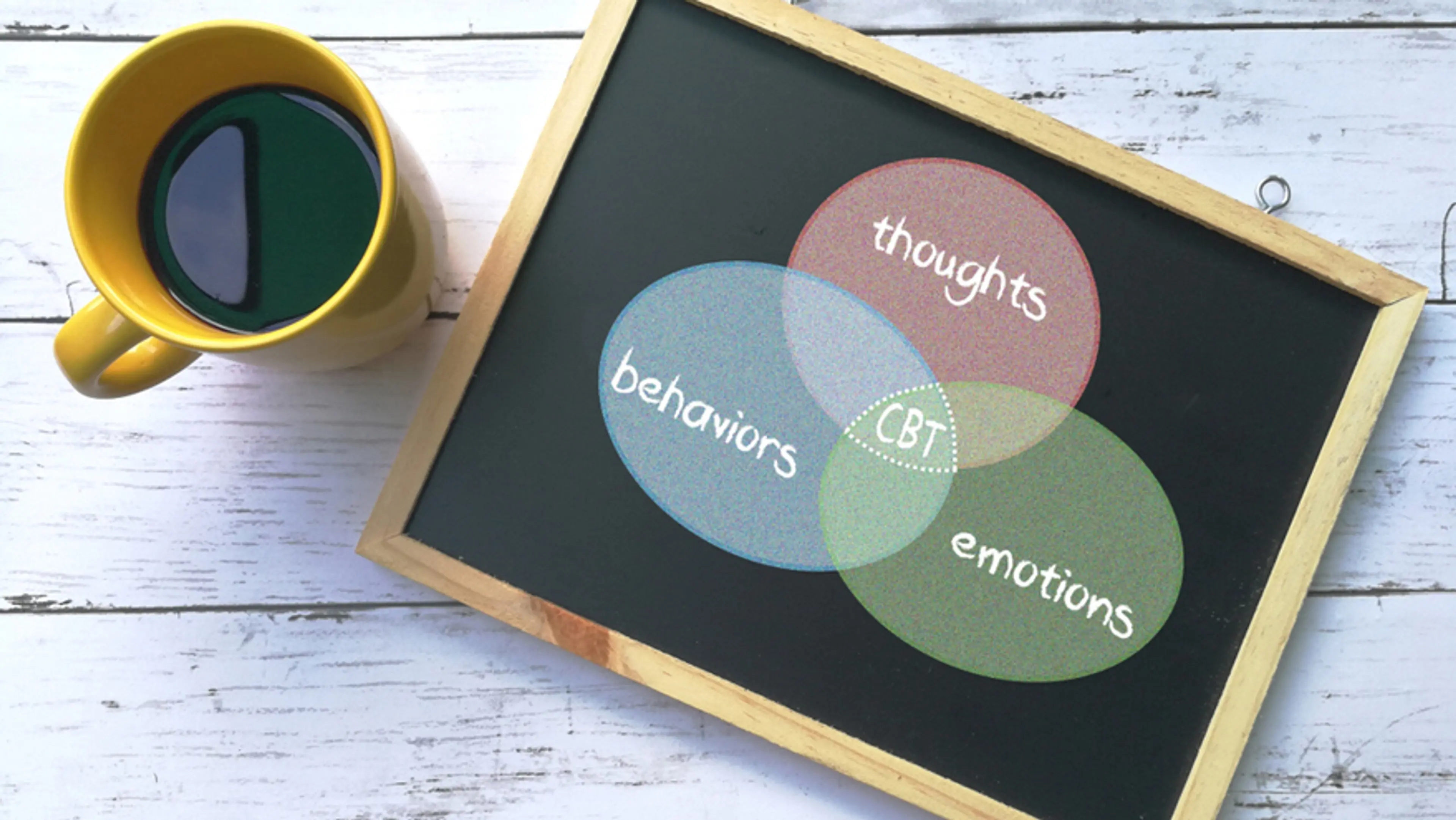
The most well-known form is:
At Seoul Psychiatry Gangnam, CBT forms the core of our approach, but we often integrate elements of mindfulness, emotional intelligence training, and neuromodulation to personalize care. This kind of hybrid model is especially effective for patients balancing high-performance lifestyles with internal distress.
Learning to identify and name anxious or depressive thought patterns
Sleeping more soundly
Feeling more in control of emotional reactions
Reducing avoidance behaviors
These are often the "low-hanging fruit" of therapy — small but significant wins that increase motivation and hope.
For example: A client experiencing panic attacks noticed better sleep and fewer symptoms after just five sessions of CBT, particularly after learning breathing techniques and cognitive reframing.
For more complex or long-standing conditions, expect a longer timeline. Therapy aimed at:
Restructuring core beliefs (e.g., "I’m not good enough")
Managing chronic stress or burnout
Healing emotional wounds from past trauma
Treating co-occurring disorders like anxiety + ADHD
At our clinic, we often tell patients: therapy isn’t a quick fix; it’s a cognitive lifestyle shift.
Behavioral therapy is action-oriented. Clients who do assigned exercises, reflect on their patterns, and practice techniques in daily life often move faster. Avoiding discomfort or skipping between sessions can slow progress.
If therapy is a gym for the mind, consistent effort matters more than occasional insight.
A therapist's clinical skill is crucial — but so is the emotional "fit." Do you feel safe, understood, and respected? Can you be vulnerable without fear of judgment?
In Korea, especially among expats or high-performing professionals, it's essential to find therapists who balance cultural attunement with clinical training. Our team at Seoul Psychiatry Gangnam is deeply experienced in working across both Korean and international contexts.
Progress is faster when your environment supports change. Factors that enhance therapy include:
Stable sleep and nutrition
A supportive home or work environment
Reduced alcohol or substance use
Access to complementary practices (e.g., meditation, exercise)
Let’s reframe expectations. Therapy doesn’t always create a dramatic shift. Often, improvement arrives quietly:
You feel less hijacked by emotions
You recover faster from setbacks
You stop catastrophizing every stressor
You speak more gently to yourself
You recognize your triggers and choose healthier responses
One patient told us, "I used to spiral for days after criticism. Now, I still feel it—but it doesn’t define my whole week."
That’s therapy working.
Most patients hit a plateau. Around weeks 4 to 6, common thoughts arise:
"Are we just talking?" "Is this worth it?" "I thought I’d be better by now."
This discomfort is often a sign of growth. You’re becoming more self-aware, but haven’t yet built all the tools to manage what you see. It can feel worse before it gets better.
This is when many drop out — but it’s also when breakthroughs often occur.
Ask your therapist:
What stage of the process am I in?
What goals are we working toward?
Can we adjust the pace or focus?
At Seoul Psychiatry Gangnam, we believe in transparency. We walk patients through the arc of therapy, so there are fewer surprises and more clarity.
Mindfulness improves emotional regulation, attention control, and self-compassion. When practiced consistently, it supports neurobiological changes linked to improved mental health.
EI training boosts your ability to navigate interpersonal dynamics, read emotional cues, and set boundaries. It’s especially helpful for professionals managing workplace stress or social anxiety.
This FDA-approved, non-invasive neuromodulation technique stimulates underactive brain regions in depression. For patients not responding to medication, rTMS can significantly reduce symptoms—and when combined with therapy, outcomes often improve even further.
Studies show rTMS + CBT can outperform either treatment alone for treatment-resistant depression.
This multi-modal approach is part of what makes Seoul Psychiatry Gangnam unique.
Quick fixes rarely last. The deeper goal of therapy is to build emotional and behavioral resilience that stays with you.
That’s what long-term progress looks like:
You bounce back more quickly.
You have tools for future stressors.
You know when to ask for help.
You grow more confident in your ability to self-regulate.
Therapy isn’t about becoming someone new. It’s about becoming more yourself — with less fear, less noise, and more clarity.
Here’s what we’ve seen over the years:
Whether you're an expat navigating life in Seoul, a Korean professional under immense pressure, or someone just trying to find some calm—you deserve care that meets you where you are.
At Seoul Psychiatry Gangnam, we bring together clinical excellence, cultural insight, and advanced technology to offer mental health care that actually fits real life.